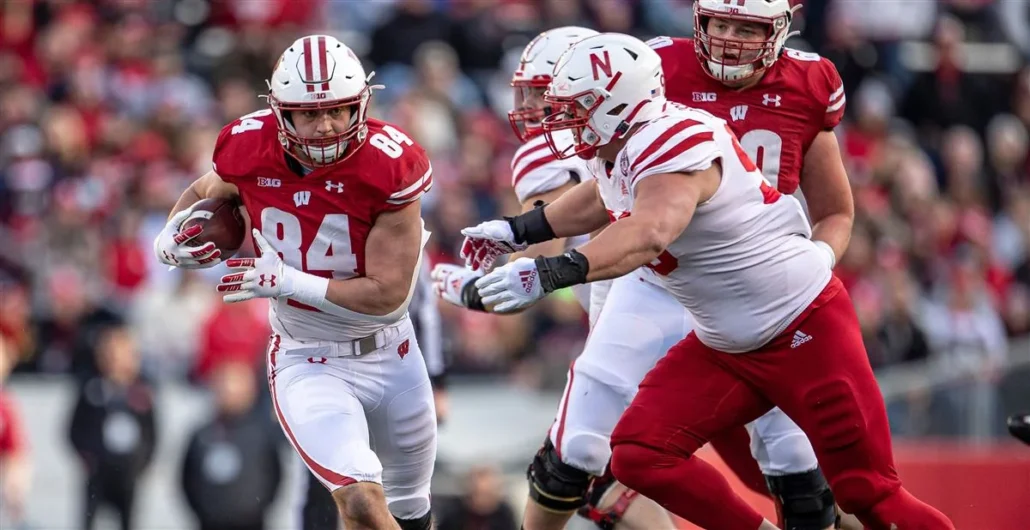
When coaches evaluate heat conditions, they often look up at the sky or check a handheld device. But for sports like football, lacrosse, catcher positions in baseball, or marching band, the actual environment an athlete experiences isn’t just the ambient weather—it’s the personal microclimate trapped beneath their protective equipment.
Understanding how athletic gear alters body thermoregulation is critical to preventing Exertional Heat Stroke (EHS).
The Trapped Heat Microclimate
The human body cools itself primarily through evaporative cooling—as sweat evaporates off the skin, it transfers heat away from the body. However, dense padding, synthetic helmets, and heavy uniform layers create an impenetrable barrier against air movement.
When full gear covers an athlete’s skin:
- Sweat cannot evaporate: It pools under padding without providing cooling.
- Relative humidity spikes: The microclimate between the skin and the uniform reaches near-100% relative humidity, halting natural heat loss.
- Core temperature climbs exponentially: Research shows that wearing full football pads can increase heat storage by up to 30–40% compared to practicing in shorts and a t-shirt at the exact same environmental temperature.
Equipment Phasing Protocols
To mitigate gear-induced heat stress, athletic programs must adopt strict equipment acclimatization schedules. Over the first two weeks of pre-season practices, gear should be introduced incrementally to allow cardiovascular and thermal adaptation.
| Phase / Day | Uniform Allowance | Max Practice Duration | Intensity Focus |
| Days 1–2 | Helmets only | 3 Hours | Light conditioning, skill work |
| Days 3–5 | Helmets & Shoulder Pads | 3 Hours | Functional drills, contact with pads |
| Day 6+ | Full Gear | 3 Hours (or 5 total for two-a-days) | Full contact, game simulation |
Crucial Rule: If WBGT (Wet Bulb Globe Temperature) readings reach extreme threat thresholds, equipment modifications should move backward regardless of the calendar day. Stripping helmets and shoulder pads during high-risk hours rapidly increases exposed surface area for heat release.
Redefining Modesty During Heat Emergencies
When an athlete collapses from suspected EHS, gear is the enemy of rapid cooling. Seconds matter.
Coaches and athletic trainers must train staff to strip heavy equipment immediately upon recognizing CNS (Central Nervous System) dysfunction or collapse. Waiting to remove shoulder pads or tight jerseys until after an ice immersion tub is prepped delays life-saving cooling.
At Ice Athletes, our standard is unwavering: Cool First, Transport Second. Undress the athlete down to minimal clothing quickly, submerge them in a cold water immersion (CWI) tub, and maintain cooling until their core body temperature drops below 102°F. Managing equipment safety beforehand keeps athletes out of the tub; knowing how to strip equipment quickly saves lives when emergencies strike.