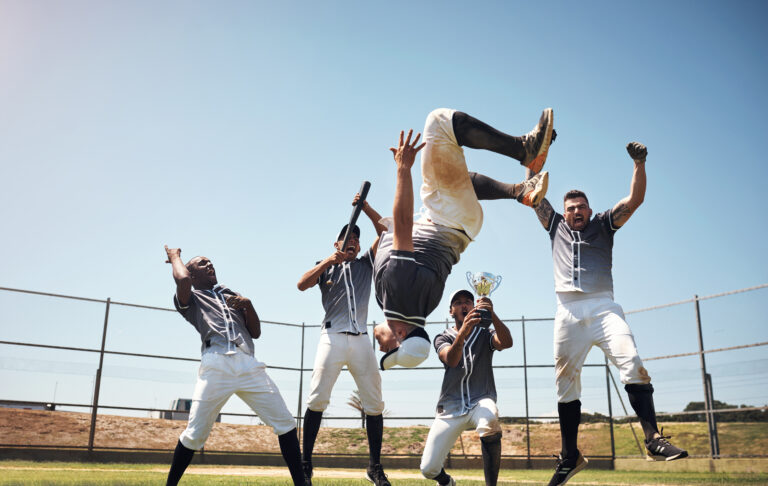
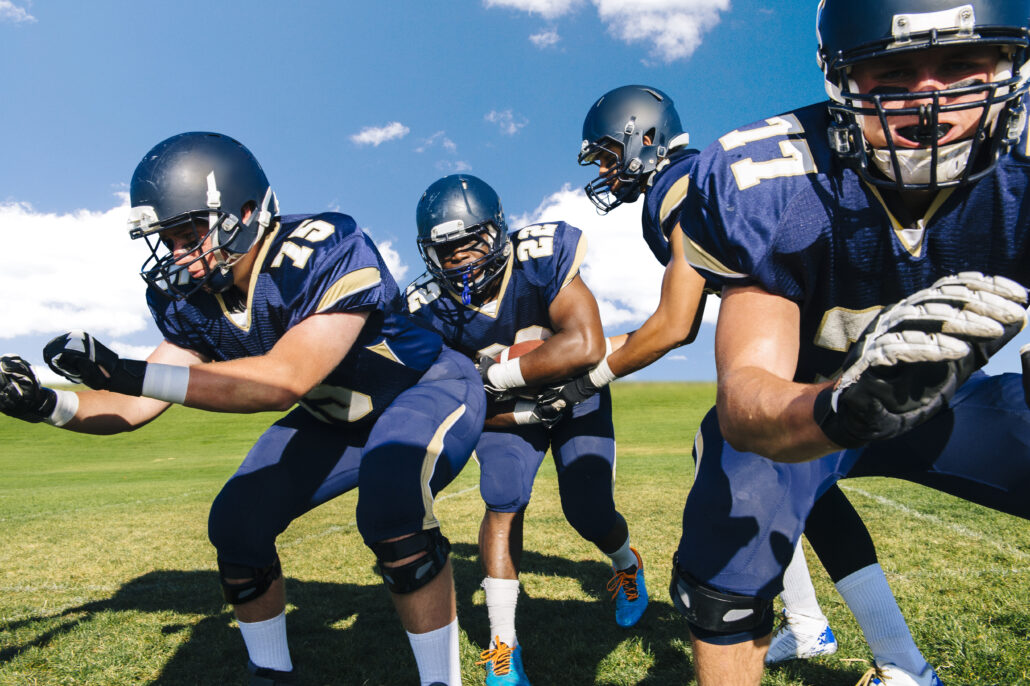
A summer sports camp puts a lot of kids on a field at the hottest time of year. Many of them came straight from a school year spent indoors. Some are away from home for the first time, some don’t know the coaches yet, and the staff is often a mix of high school coaches, college players and volunteers who met each other on day one.
That mix is why a camp needs its own heat plan, written down before the first kid checks in. Exertional heat stroke is 100% survivable when the athlete is cooled fast, on site. A camp can be ready for that.
Plan for Kids Who Aren’t Used to the Heat Yet
Campers arrive at different levels of fitness and heat exposure. A kid who spent June at a desk is not ready for the same workload as one who has been practicing outside all month. Build the first days of camp to ease in:
- shorter, lighter sessions at the start, building up over the week
- the hardest work early in the morning or later in the evening, not midday
- regular water breaks, in shade, that the schedule protects
- more breaks and lighter work on hot, humid days, even if the plan said otherwise
The guide to heat acclimatization explains why the first days carry the most risk.
Check the Conditions, Not Just the Thermometer
Humidity changes how hot it feels to a working body. A day in the 80s and humid can be more dangerous than a drier day that reads hotter. Assign one staff member to check conditions before every session and decide with the camp director whether to change the plan. See how to use WBGT to make heat decisions.
Put a Cooling Station at Every Field
Cooling is the treatment. The camp needs it set up at the field, before the session starts, not back at the dorm or the nurse’s office. At each field in use:
- a cold-water immersion tub, filled and ready
- plenty of ice, with more on the way during the day
- towels
- a charged phone and the field’s exact address
Use the cooling station checklist to set it up, and read why every event needs a tub on site.
Train the Whole Staff on Day One
Every counselor and coach should know the signs before they lead a session. Heat stroke shows up as a change in how a camper is thinking or acting:
- confusion, or answers that don’t make sense
- stumbling, or losing balance
- acting out of character
- collapse
A camper with heat stroke may still be sweating. Kids at camp also tend to push through so they don’t look weak in front of new teammates, so staff should check on anyone who goes quiet. The full list is in heat stroke symptoms every coach and parent should know.
Then give each staff member a job for an emergency: who calls 911, who starts cooling, who meets the ambulance at the gate, who stays with the other campers and who calls the camper’s parent. Walk through it once on the field. The free emergency action plan builder can help put it on paper.
Collect the Right Information at Check-In
When a camper’s parent isn’t nearby, staff need to reach them fast. At check-in, make sure you have a working phone number for a parent or guardian for every camper, and that the staff at each field can get to it. Ask families to share any health information the camp should know.
If a Camper Goes Down
- Call 911 and start cooling at the same time.
- Cool first, transport second. Cool the camper on site with cold-water immersion and ice agitation.
- Start cooling within 10 minutes and aim to bring the body to about 102°F within 30 minutes.
- Remove anything you can quickly but don’t delay cooling because of gear removal.
At 104°F, the body loses its ability to regulate its own temperature. That’s why cooling can’t wait for the ambulance. Read more in cool first, transport second.
Camp Director Checklist
- Schedule eases campers in over the first days
- Hardest sessions are out of the midday heat
- One staff member checks conditions before each session
- Cooling tub, ice and towels at every field in use
- Whole staff trained on warning signs on day one
- Emergency jobs assigned and walked through on the field
- Parent phone numbers ready for every camper
Running a camp next summer? Sign up to take part in National Stay Cool Day on April 8, 2027, and get your staff ready before campers arrive.