When temperatures soar during high-intensity training, traditional cooling methods—like ice towels or drinking cold water—often fail to lower core body temperature fast enough to prevent thermal strain. Enter micro-cooling technology, a rapidly growing sector in sports science and occupational safety designed to manage heat at the individual level before hyperthermia sets in.
What is Micro-Cooling?
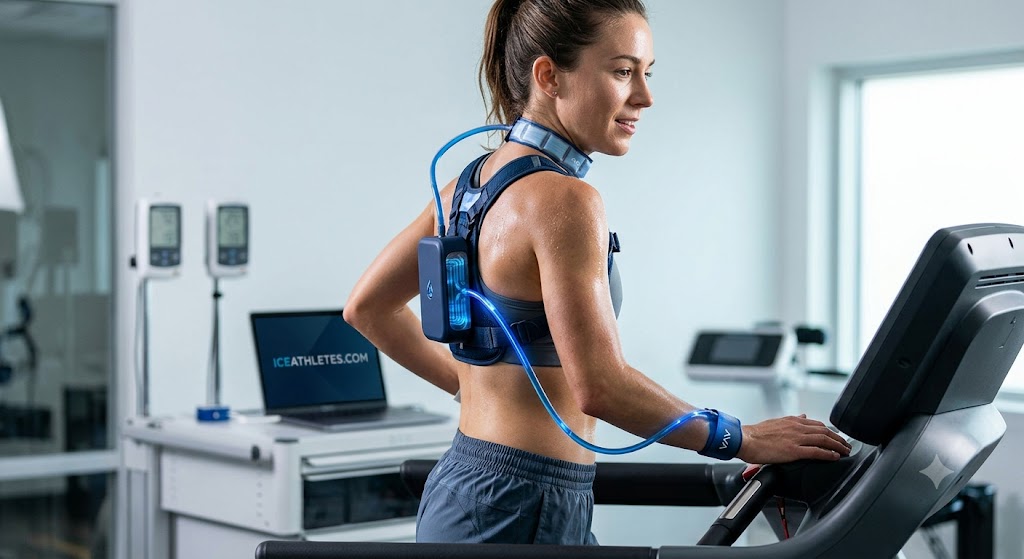
Micro-cooling refers to lightweight, targeted personal thermal management systems worn directly on the body. Unlike bulky cooling vests of the past, modern micro-cooling utilizes micro-fluidic channels, phase-change materials (PCMs), and solid-state thermoelectric Peltier modules integrated directly into high-performance athletic apparel.
These devices target key glabrous skin zones—such as the palms of the hands, soles of the feet, and regions of the neck and face. Glabrous skin contains specialized vascular structures called arteriovenous anastomoses (AVAs), which act as the body’s natural radiators. By applying targeted micro-cooling to these specific points, heat can be rapidly extracted from circulating blood without triggering vasoconstriction (which shuts down heat dissipation).
Why Athletes and Tactical Operators rely on Micro-Cooling
For endurance athletes, military recruits, and tactical competitors, heat accumulation directly causes central nervous system fatigue and severe drops in aerobic capacity. Micro-cooling offers distinct advantages over passive cooling:
- Sustained Core Temperature Regulation: Micro-cooling systems help maintain core body temperature below critical thresholds during prolonged exertion.
- Ergonomic Integration: Modern micro-cooling gear weighs under two pounds and fits under standard athletic uniforms or tactical gear without hindering range of motion.
- Micro-Climate Control: By reducing skin temperature around vital organs, micro-cooling lowers heart rate strain, allowing athletes to maintain peak power output in extreme ambient temperatures.
The Future of Heat Defense on ICEATHLETES.COM
As climate conditions grow hotter and summer training sessions become more intense, proactive micro-cooling is shifting from a luxury to an essential safety protocol. By lowering heat stress before, during, and after exertion, micro-cooling represents the next frontier in keeping high-performing individuals safe from Exertional Heat Stroke (EHS).