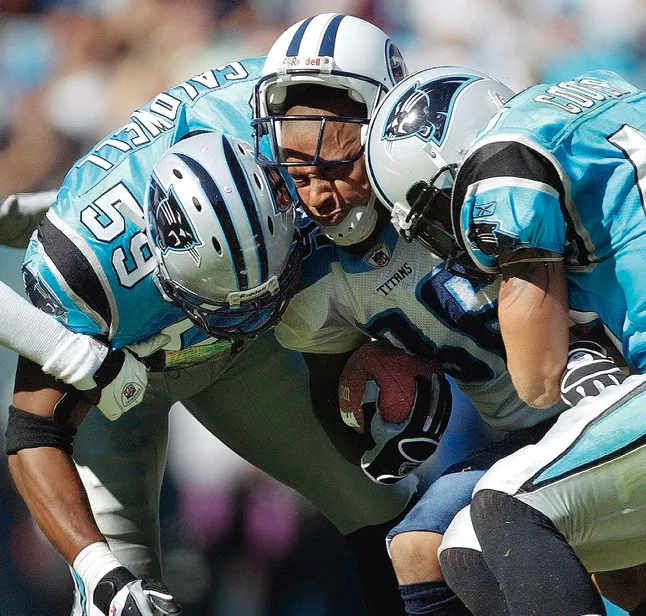

In the world of sports, we often focus on the injuries we can see: sprained ankles, torn ACLs, and broken bones. But the most dangerous injury is often the one that is completely invisible from the outside. Concussions are traumatic brain injuries that demand our utmost attention and respect.
What Actually Happens During a Concussion? A concussion is not just a “bump on the head.” It is caused by a direct blow to the head, face, neck, or even elsewhere on the body that transmits an impulsive force to the head. This causes the brain to rapidly bounce or twist inside the skull, creating chemical changes in the brain and sometimes stretching and damaging brain cells.
Recognizing the Symptoms The danger of a concussion lies in its varied presentation. An athlete does not need to lose consciousness to have a concussion—in fact, less than 10% of concussions involve a blackout. Symptoms can be physical (headache, nausea, dizziness, light sensitivity), cognitive (feeling foggy, difficulty concentrating, memory loss), or emotional (irritability, sadness, anxiety). Crucially, some symptoms may not appear until hours or even days after the initial impact.
The Danger of “Playing Through It” The old-school mentality of “shaking it off” has no place in modern sports. If an athlete continues to play with a concussion, they are highly susceptible to Second Impact Syndrome. If the brain sustains a second blow before fully healing from the first, it can lead to rapid, catastrophic brain swelling, which can be fatal or cause severe, permanent disability.
The Return to Play Protocol Recovery from a concussion requires physical and cognitive rest. This means limiting screen time, reading, and bright lights. Return to play must be a multi-step, gradual process overseen by a medical professional. It generally progresses from light aerobic activity to sport-specific exercise, non-contact drills, full-contact practice, and finally, competitive play. If symptoms return at any stage, the athlete must drop back to the previous step.
When it comes to the brain, there is zero margin for error. When in doubt, sit them out.