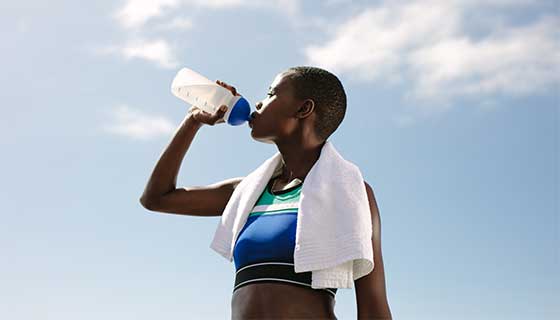
We’ve all heard the golden rule of sports: stay hydrated. But for competitive athletes, hydration is a complex science that requires more than just chugging a bottle of water during halftime. Proper hydration is the foundation of both elite performance and vital safety, protecting the body from cramps, fatigue, and severe heat illness.
Why Water Isn’t Always Enough When you sweat, you aren’t just losing water; you are losing critical electrolytes—primarily sodium, potassium, magnesium, and calcium. These minerals conduct electrical signals in your body, allowing your muscles to contract and your brain to communicate with your limbs.
If you only replace lost sweat with plain water, you risk diluting the remaining sodium in your blood, a dangerous condition known as hyponatremia. For workouts lasting longer than 60 minutes, or in extreme heat, athletes must incorporate sports drinks or electrolyte powders to replenish what is actually being lost.
The Hydration Timeline Hydration doesn’t start at the opening whistle; it starts the day before.
- Pre-Hydration: Aim to drink 16 to 20 ounces of fluid two to three hours before the activity. Drink another 8 ounces about 20 minutes before stepping onto the field or ice.
- During Activity: The goal is to match your sweat loss. A general rule of thumb is 7 to 10 ounces of fluid every 10 to 20 minutes of vigorous exercise.
- Post-Activity Recovery: Weighing yourself before and after exercise can reveal exactly how much fluid you lost. For every pound lost during practice, you should drink 16 to 24 ounces of fluid to properly recover.
Monitoring Your Status The simplest way to check your hydration status is the “pee test.” Your urine should be the color of pale lemonade. If it looks like dark apple juice, you are already dehydrated. Furthermore, if you wait until you are thirsty to drink, you are too late. Thirst is a lagging indicator that your body is already in a state of fluid deficit.
By taking a proactive, scientific approach to hydration, athletes can keep their engines running cool and avoid the dangerous drop-offs in performance that plague the unprepared.